
How do cockroaches get into houses (And what to do next)
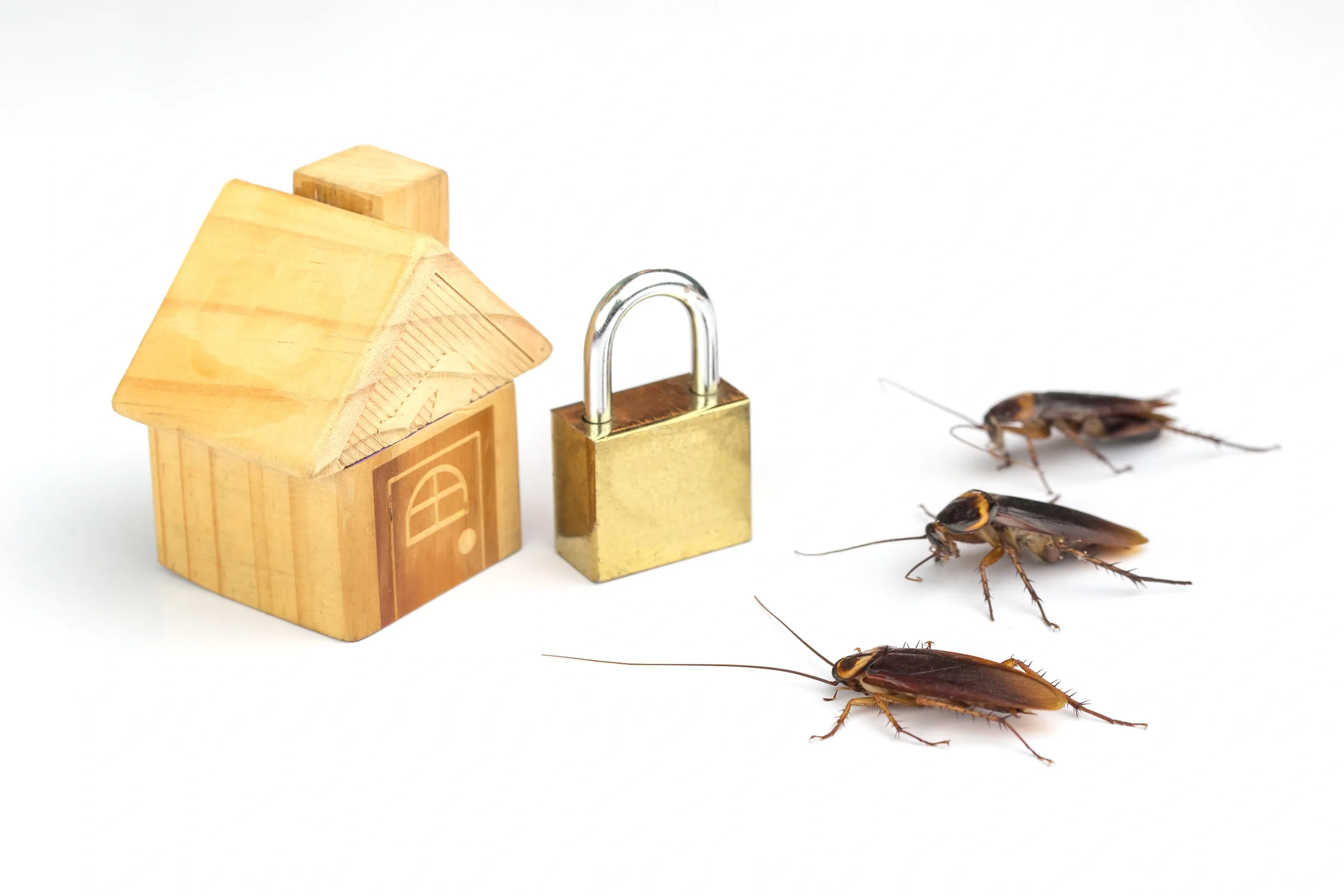
How do cockroaches get into houses (And what to do next)
Cockroaches are one of the most common calls pest control experts, including us here in Bundaberg, get. And it's no surprise. Our warm, humid Queensland climate is basically a welcome mat for them. If you've spotted one scurrying across your kitchen floor or disappearing behind the fridge, you're probably wondering how do cockroaches get into houses in the first place. And more importantly, what you should do about it. Let us break it down for you.
The cockroaches we see most in Queensland
Before we talk about entry points, it helps to know what we're dealing with. Up here in Queensland, the cockroach you're most likely to encounter is the Australian cockroach (those are the big ones). They're reddish-brown, can be up to 35mm long, and they move fast. And yes, they’re gross. You might also come across the American cockroach, which is similarly large and equally unwelcome.
How do cockroaches get into houses?
This is the big question. Cockroaches are opportunists. They're not picky, and they don't need much of a gap to squeeze through.
Common entry points are:
Gaps around doors and windows: Old weather seals, poorly fitted door frames, and gaps under external doors.
Through drains and pipes: This one surprises people. Large cockroaches, especially Australian and American cockroaches, are very comfortable moving through drainage systems. They can come up through floor drains, laundry pipes, or gaps around plumbing penetrations in your walls and floors.
Roof voids and wall cavities: Cockroaches often find their way in through the roof space, especially where cables, pipes or vents enter the building. Once they're in the roof void, they'll find their way down into your living areas.
Cracks in the exterior: Any crack in your external walls, around window frames, or at the base of the house is a potential entry point. Older Queensland homes with timber construction can be particularly vulnerable here.
Hitching a ride: Cockroaches can come in on grocery bags, secondhand furniture, cardboard boxes, and even pot plants brought in from outside. It's less common with the bigger species, but it happens.
Neighbours and vegetation: If you have dense garden beds up against the house, firewood stacked near the walls, or palm trees close by, these can contribute to cockroaches getting in.
Why Queensland homes are particularly vulnerable
Our climate is a big factor. Bundaberg and the Wide Bay Region are warm and humid for much of the year, and cockroaches absolutely thrive here. During summer and after heavy rain, it's very common to see an
increase in cockroach activity as they look for shelter, food, and water. They'll move toward your home simply because it's cooler, drier, and full of food scraps.
What to do next
Spotting one cockroach usually means there are more you're not seeing. Here's what we'd recommend:
1. Don't just spray and hope for the best. Over-the-counter sprays can knock over individual cockroaches, but they rarely address the source of the problem. You'll keep seeing them until the entry points and harbourage areas are properly treated.
2. Reduce what's attracting them. Keep benchtops clean, don't leave pet food out overnight, fix any leaking taps (cockroaches are drawn to moisture), and remove clutter from under sinks and in storage areas.
3. Seal up entry points where you can. Check your door seals, look for gaps around pipes under the sink and behind the laundry, and make sure flyscreen mesh is intact on windows and vents.
4. Get a professional treatment done. This is where proper home pest control makes a real difference. A professional treatment targets the areas cockroaches are actually using (roof voids, subfloor, wall junctions, drainage areas, and the external perimeter), not just the surfaces you can see. At Reli-Ant, our home pest control treatments are backed by a 6-month service-free guarantee, so if cockroaches come back within that period, so do we and at no extra cost.
How often should you treat for cockroaches?
For most tropical and subtropical homes, an annual home pest control treatment is a solid baseline. If you've had a serious infestation, or your home backs onto bushland or has a lot of garden coverage, more regular servicing might be worth considering. We're always happy to give honest advice about what actually makes sense for your situation if you are in our area.
The bottom line
Cockroaches get in because our homes offer everything they need: warmth, water, food, and shelter. In Queensland's climate, they don't have to try very hard. The good news is that with the right treatment and a few simple habit changes, they're very manageable.
If you're seeing cockroaches regularly, or you've had that moment of flicking on the light and watching something large disappear across the floor, it's worth getting it sorted properly. Feel free to reach out if you have questions about home pest control and what’s needed in the local area..